
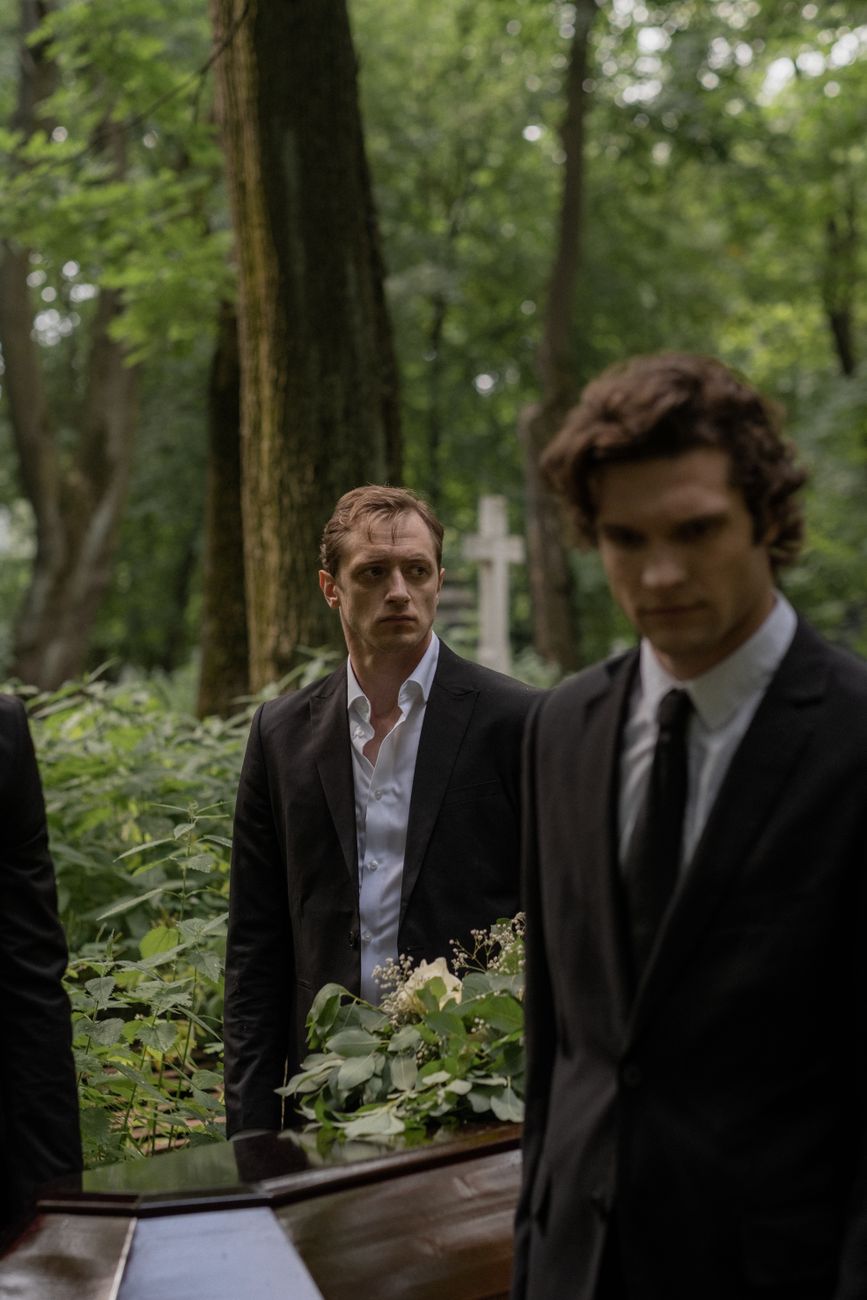
I want to hold this topic with care because it deserves it. Losing a spouse is one of the most disorienting experiences a person can go through. The idea of loving someone again after that loss is not simple, not linear, and often not what anyone imagined for themselves. If you’re widowed and wondering whether you’ll ever love someone again, or whether it’s okay that you already do, or how in the world you’re supposed to navigate any of this: I can tell you that you’re not alone, and there is no right way to do this.
There is only your way, at your pace, honoring both what you lost and what you’re still allowed to want.
The First Thing Worth Saying
You are allowed to love again. Full stop.
Loving someone new doesn’t erase what you had. It doesn’t diminish your marriage. It doesn’t mean you didn’t love your spouse enough. It doesn’t mean you’re forgetting them. Love is not finite. The love you had for your spouse still exists, and it can coexist with new love if that’s where your life takes you.
If that’s obvious to you, skip ahead. If reading it made something in your chest loosen a little, sit with it for a second. A lot of widows and widowers carry a quiet belief that finding love again would be a betrayal. It isn’t. But that belief runs deep for a lot of people, and naming it is the beginning of loosening its grip.
There Is No Timeline
People will have opinions about how soon is too soon and how late is too late. Ignore them. Some folks are ready to date in months. Others need years. Some choose not to date again and build a meaningful life on their own. All of these paths are valid.
What matters more than the timeline is your own honest answer to a couple of questions. Am I looking for a partner, or am I looking for someone to make the loneliness go away? Both are understandable feelings. They tend to lead to different outcomes. And is there enough of me left over from the grief to actually be present for someone new, or am I still fully occupied with what I lost?
Neither answer is wrong. But they might point you toward different next steps.
The Grief Doesn’t End
One of the hardest things nobody warns you about is this. Even if you meet someone wonderful, the grief doesn’t disappear. It shows up in unexpected moments. On your late spouse’s birthday. On a random Tuesday when a song plays. During intimacy with someone new. On a holiday. During your child’s wedding. In the middle of laughing about something completely unrelated.
That’s not a sign you shouldn’t be dating. It’s a sign you loved deeply, and that love isn’t something you get over. It’s something you carry.
The right partner will understand this. They’ll know that you have a whole history that doesn’t include them, and that some of that history will surface, sometimes without warning. They won’t ask you to grieve less or love your spouse less. They’ll just love the version of you that shows up, grief included.
The Guilt Piece
I want to be honest about this because it’s real for so many people. Guilt is one of the most common experiences widowed folks describe when they start to feel attraction, interest, or love again. Guilt for laughing. Guilt for enjoying a first kiss. Guilt for wanting physical intimacy. Guilt for looking forward to a second date.
A few honest thoughts on the guilt:
Your spouse would want you to be happy. Most of them, if asked directly, said something like this to their partner before they died. Even if they didn’t say it out loud, most people who love us want us to keep living after they’re gone. Living includes love.
Guilt doesn’t mean you’re doing something wrong. Guilt often just means you’re doing something new. Your emotional system is catching up to a reality it didn’t expect. Feeling guilty and being wrong are not the same thing.
Guilt tends to soften with time and practice. The first date brings enormous guilt. The tenth date brings less. Learning to sit with the guilt without letting it stop you is part of the process.
When You Have Kids
If you have kids, dating after losing their other parent is complicated on its own layer. A few honest realities:
Kids often have their own reactions. They may be supportive. They may be angry. They may be quiet and then bring it up months later. Their reaction is usually less about the person you’re dating and more about grief that’s still very much alive for them.
Introducing anyone is a big deal. Most therapists recommend waiting several months at minimum before introducing a new partner to your kids, and being thoughtful about pacing after that. Kids don’t need to meet every date. They need to meet the people who are becoming something serious.
Older kids may need more time than younger kids. Adult children can have particularly strong feelings about a parent dating again, especially if their own grief for the parent who died is still raw. Give them time. Have honest conversations. Involve them at whatever pace works for your family.
You are still allowed to have a life. Your kids’ comfort is important. It isn’t the only factor. You are also a whole person who deserves connection.
The Practical Realities of Dating Again
If your last first date was thirty years ago, the dating landscape has changed significantly. Dating apps are the default for many people now. Meeting people organically still happens, but often requires more intention than it did when you were younger. Widowed communities and grief support groups can be surprisingly common places where connections form, since everyone there understands what you’ve been through.
A few honest reminders:
Take it slow. You don’t owe anyone a fast timeline. First coffee is enough. First dinner is enough. You get to build things at whatever pace feels right.
Be honest about your history early. Not on the first message, but reasonably soon. The right partner will hold this well. The wrong ones will show themselves quickly.
You don’t have to hide your late spouse. Photos in your home, mention in conversation, keeping their memory present. These aren’t red flags to a healthy new partner. They’re part of who you are.
Watch out for people looking to save you. Some people are drawn to widowed folks with a specific kind of energy. It can feel supportive at first and become suffocating over time. Trust your gut.
Give yourself grace. Dating after loss is hard. Some days will feel possible and hopeful. Other days will feel impossible and betrayal ridden. Both are part of it.
When Dating Brings Grief Back Up
For a lot of widowed folks, starting to date again unexpectedly reactivates grief. This makes sense. You’re doing something you used to do with your spouse. You’re comparing, remembering, and reprocessing all at once. Your nervous system is holding a lot.
If dating is making the grief harder to carry, that’s worth paying attention to. It doesn’t necessarily mean you should stop dating. It might mean you need more support around the dating, whether that’s a therapist, a widowed community, a grief support group, or all of the above.
Looking for Support in Manchester, NH?
At Care Pack Counseling, we work with widowed clients navigating grief, guilt, dating again, family dynamics after loss, and the long process of building a new life while honoring the one that came before. Our clinicians use evidence based approaches including CBT, DBT, ACT, EMDR, and IFS, and we bring real compassion to this specific and often lonely territory.
We see clients in person at our Manchester office on Elm Street, and virtually throughout New Hampshire, Massachusetts, and Maine. Whether you’re in Manchester, Bedford, Concord, Nashua, the Seacoast, or anywhere across our three state coverage area, we’d love to meet you.
Our 48 Hour Callback Promise
Reaching out for therapy after losing a spouse takes courage. That’s why we promise to respond to every new client within 48 hours. If we don’t, your first session is on us.
Contact and Insurance
Care Pack Counseling 923 Elm St, Unit 78 Manchester, NH 03101 carepackcounseling.org
We accept Anthem Blue Cross Blue Shield, Harvard Pilgrim, Aetna, and Cigna. Sliding scale fees are available for clients paying out of pocket. Serving clients in person in Manchester, NH and virtually throughout New Hampshire, Massachusetts, and Maine.
You are still allowed to love. You are still allowed to be loved. Your late spouse’s presence in your life doesn’t have to end for a new chapter to begin.
Leave a Reply